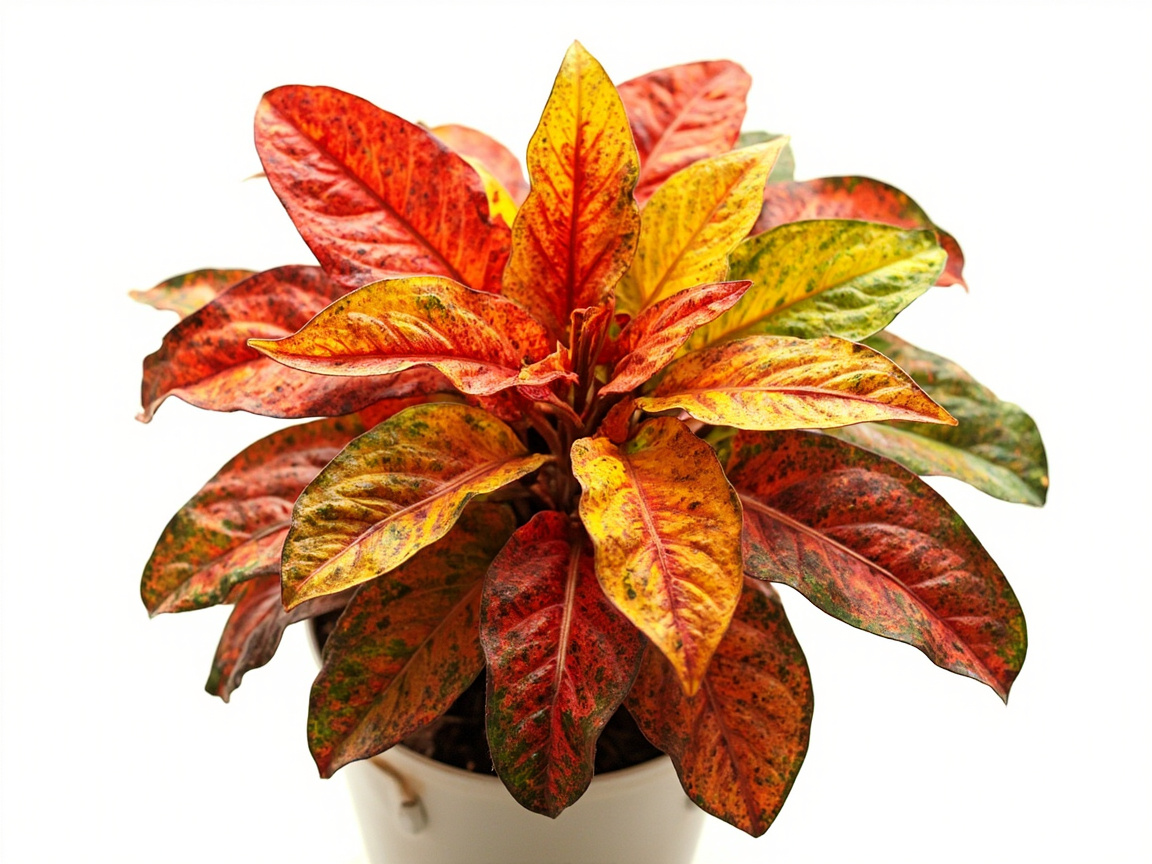
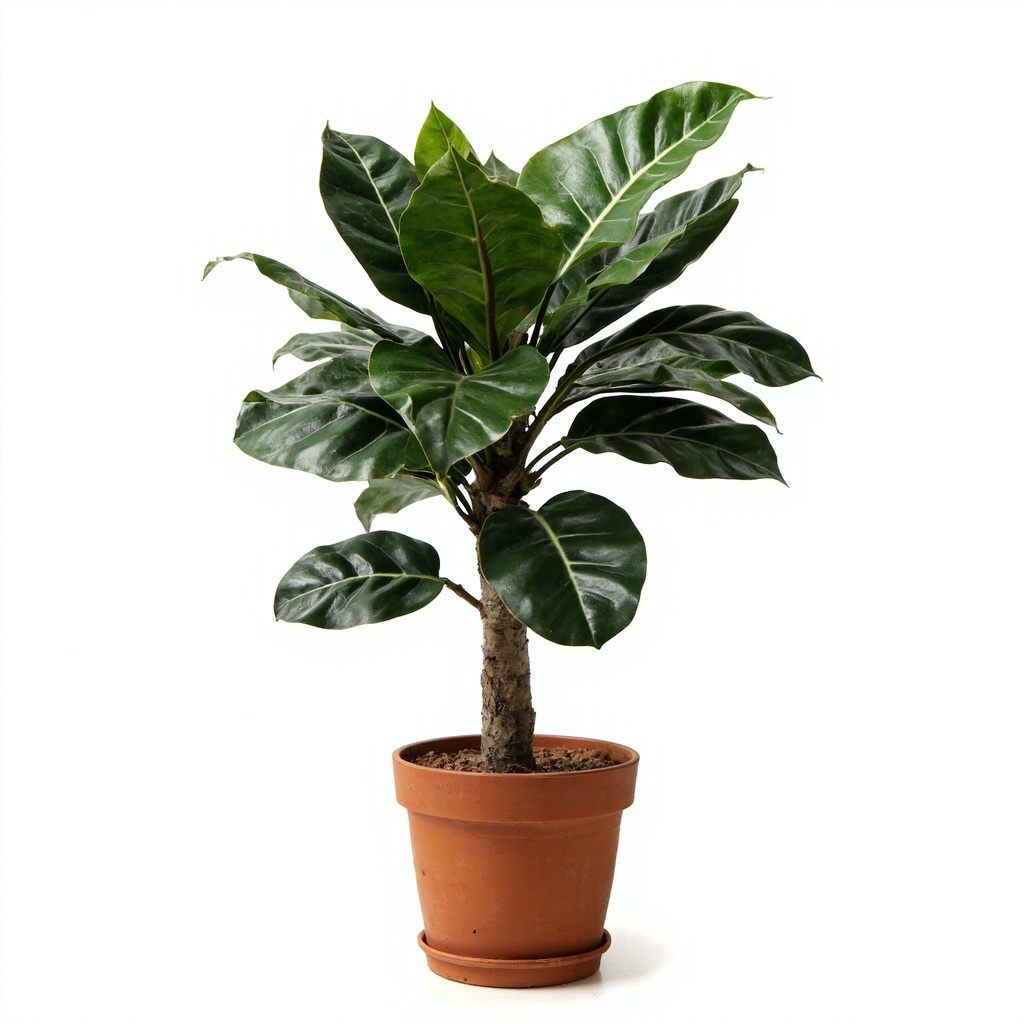
🌿 Quick tip: Note WHERE the yellowing is happening. Old leaves (bottom)? New leaves? All over? This tells you most of what you need to know.
1. Overwatering (Most Common Cause)
Symptoms: Yellow leaves that feel soft and limp, soil that stays wet for weeks, possibly with a musty smell.
Why: Roots need oxygen as well as water. When soil stays waterlogged, roots drown and can't function. The plant shuts down and older leaves turn yellow first.
Fix: Let soil dry out completely. Check that your pot has drainage holes. Consider repotting with a faster-draining soil mix if this happens often.
2. Underwatering
Symptoms: Yellow leaves that feel crispy and dry, soil that pulls away from pot edges, plant wilting between waterings.
Why: The plant conserves water by dropping older leaves. It's prioritizing survival over appearance.
Fix: Establish a consistent watering routine. Use the finger test — water when the top 2 inches of soil are dry.
3. Nutrient Deficiency
Symptoms: General yellowing, especially between leaf veins (veins stay green, areas between turn yellow). Older leaves affected first.
Why: Plants need nitrogen, iron, magnesium and other nutrients to stay green. depleted soil loses these over time.
Fix: Feed with a balanced liquid fertilizer during the growing season (spring/summer). Follow package directions — more is not better.
4. Natural Aging
Symptoms: One or two yellow leaves at the bottom of the plant, rest of plant looks healthy.
Why: Plants shed old leaves to redirect energy to new growth. This is completely normal.
Fix: Nothing! Just remove yellow leaves so the plant doesn't waste energy trying to revive them.
5. Too Much Direct Sunlight
Symptoms: Yellow or bleached patches on sun-facing leaves, especially where light hits directly through a window.
Why: Strong sunlight generates free radicals that damage leaf cells. Some plants (especially low-light ones) can't handle direct sun.
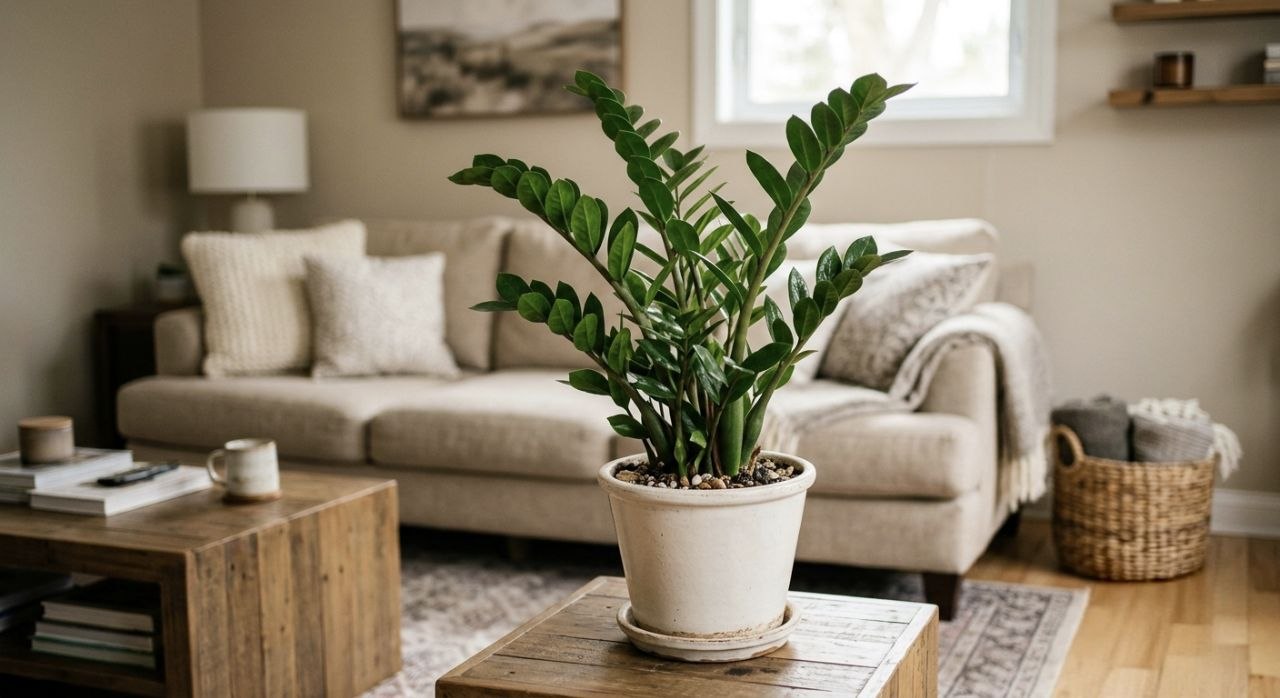
Fix: Move plants away from hot afternoon sun. Peace Lilies and ZZ Plants prefer indirect light.
6. Temperature Stress
Symptoms: Yellow leaves after cold drafts, air conditioning, or heating vents. Often accompanied by drooping.
Why: Tropical plants are sensitive to temperatures below 55 F (13 C) or sudden temperature changes.
Fix: Move plants away from drafts, air conditioning vents, and cold windows in winter.
7. Pest Infestation
Symptoms: Yellow leaves with tiny dots, webbing, or visible insects on the plant. Leaves may be distorted or sticky.
Why: Sap-sucking insects like spider mites, aphids, and mealybugs drain nutrients from leaves, causing yellowing.
Fix: Isolate the plant immediately. Treat with insecticidal soap or neem oil, repeating every 7-10 days until pests are gone.
8. Root Rot
Symptoms: Yellow leaves despite wet soil, wilting that doesn't improve after watering, dark mushy roots when checked, bad smell from soil.
Why: Overwatering leads to fungal infection that destroys roots. The plant can't absorb water or nutrients.
Fix: Remove plant from pot, trim away all dark/mushy roots, repot in fresh soil with good drainage. Reduce watering significantly.