🌿 Quick tip: Most tropical plants prefer 60-80% humidity. If your home stays below 40%, your plants will thank you for any humidity boost you can give them.
1. Pebble Tray
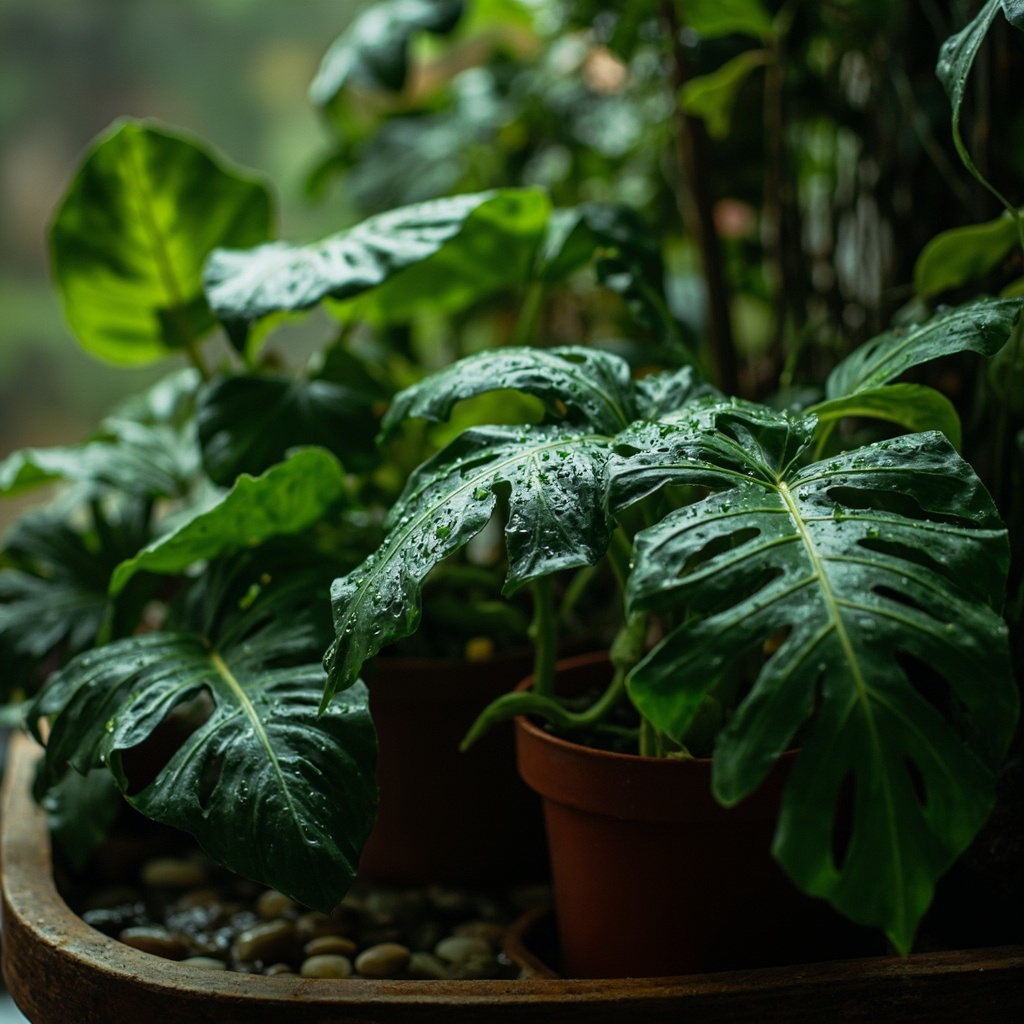
The classic low-tech solution. Fill a shallow tray with pebbles or pebbles and fill it with water until just below the top of the pebbles. Place your plant pot on top. As the water evaporates, it creates humid microclimate around the plant.
Keep the tray filled throughout the day. This works best for a few plants but isn't practical for a whole collection.
2. Group Plants Together
Plants release moisture through transpiration. When you group them together, they create a collective humid microclimate — like a mini rainforest. This is the easiest and cheapest method if you have space for multiple pots near each other.
3. Bathroom Plants
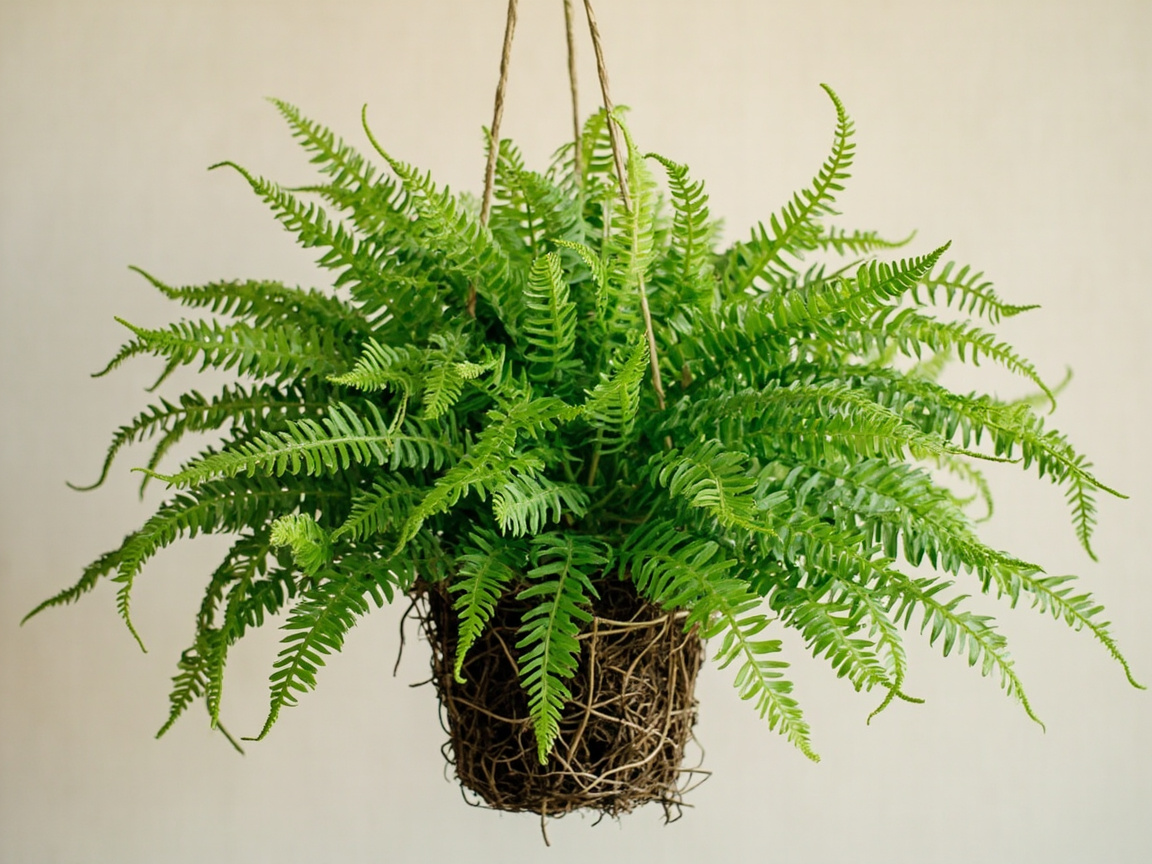
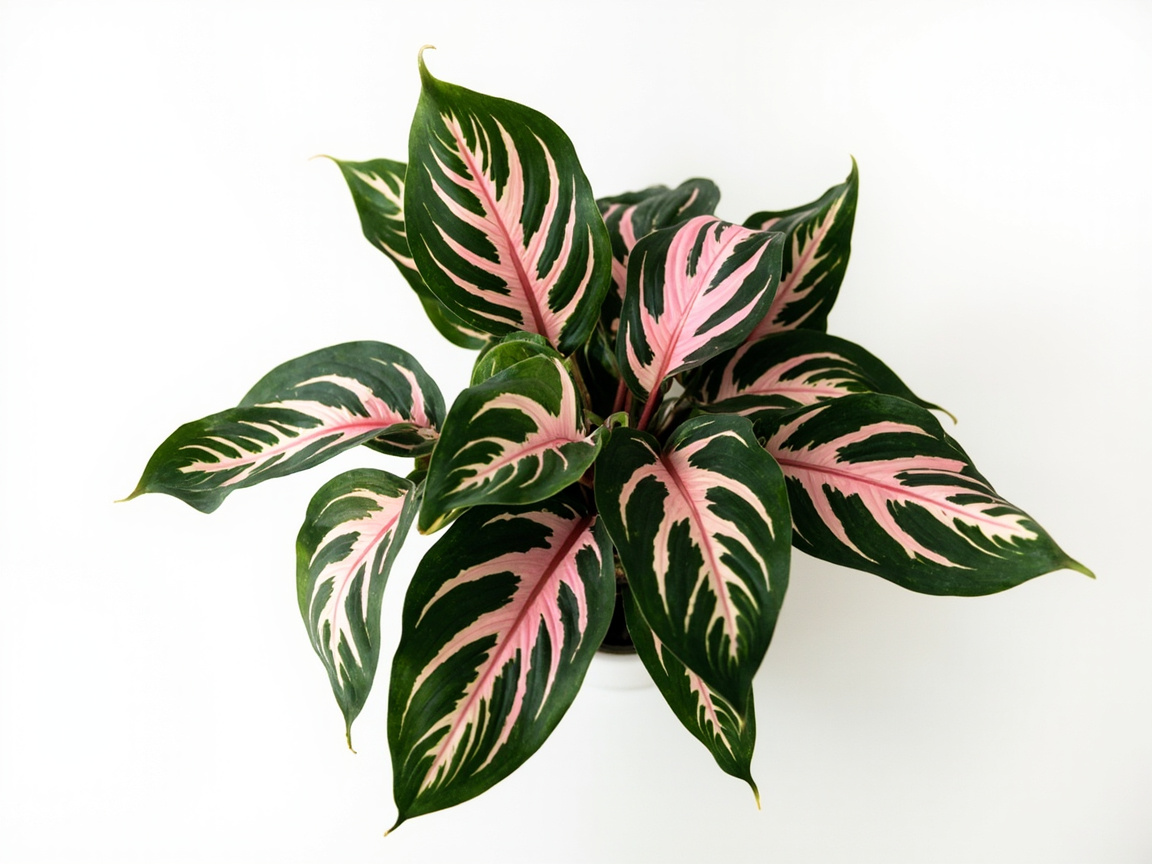
The humidity capital of your home. After a hot shower, bathrooms can reach 80-90% humidity — perfect for Boston Ferns, Calatheas, and Monsteras. Just make sure they get enough light from a window.
4. Humidifier
The most effective solution for whole rooms. A small humidifier near your plant collection can maintain 60%+ humidity consistently. Clean it weekly to prevent bacteria and mold from spreading.
5. Misting (Use With Caution)
Misting provides a short-term humidity boost, but it's often misunderstood. It raises humidity for only 10-20 minutes before the water evaporates. More importantly, leaving water droplets on leaves for too long can encourage fungal growth. If you mist, do it in the morning so leaves dry by evening.
6. Close Doors and Windows
In winter or air-conditioned rooms, humidity drops fast as dry air enters. Keep plant room doors closed to trap whatever humidity you've built up. This is especially helpful if you're running a humidifier in one room.
7. Wisely Choose Plant Location
Kitchens and bathrooms naturally have higher humidity from cooking and showering. North-facing windows tend to have cooler, more humid air than south-facing ones. Place humidity-loving plants in these spots and watch them thrive.