🌿 Quick fact: You'd need 6-8 medium-sized plants in a 500 sq ft space to match the air-purifying effect of a basic air purifier. But plants offer other benefits: better mood, reduced stress, and a more natural living space.
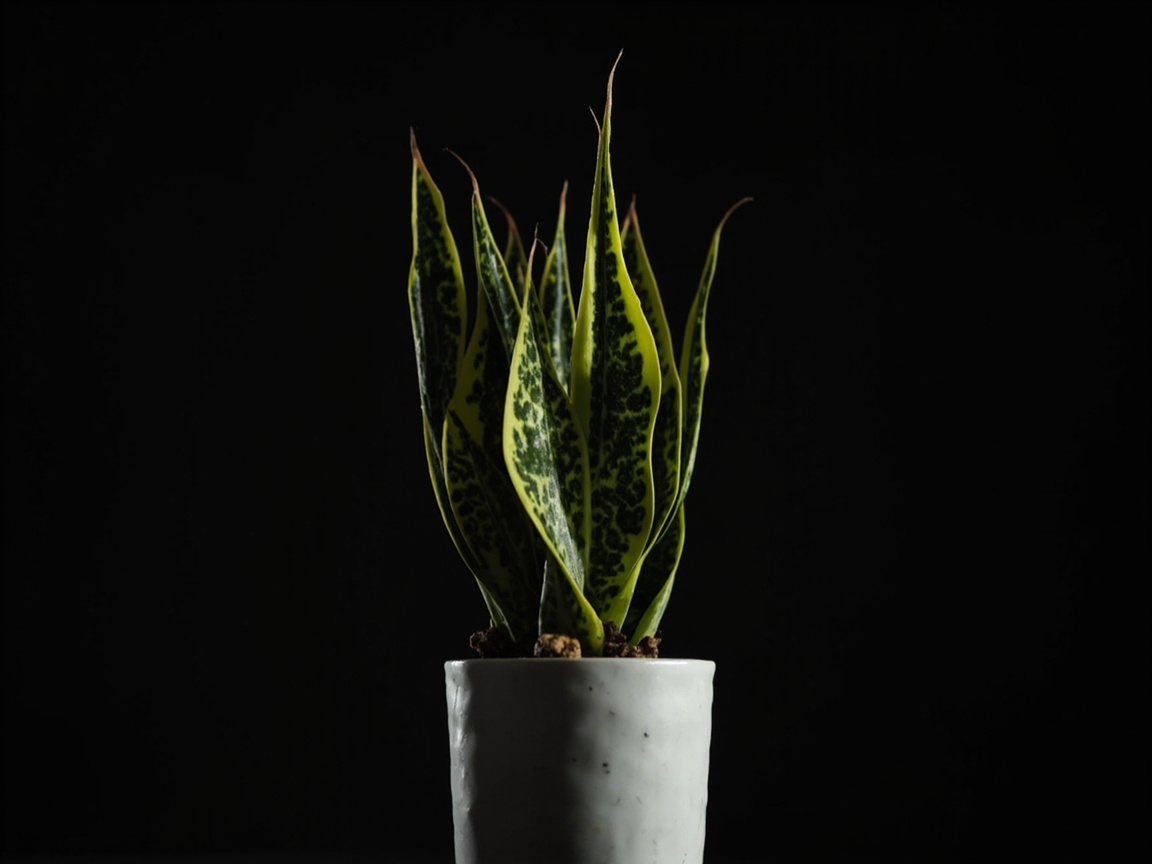
1. Snake Plant (Sansevieria)
One of the top air-purifying plants according to NASA. It converts CO2 to oxygen at night — unusual among plants — making it perfect for bedrooms. It removes formaldehyde, benzene, xylene, and toluene. Snake Plant care guide
2. Pothos (Epipremnum)
Another NASA-approved air purifier. Pothos removes formaldehyde from the air and is incredibly easy to grow. It tolerates low light and infrequent watering while continuously cleaning your air. Pothos care guide
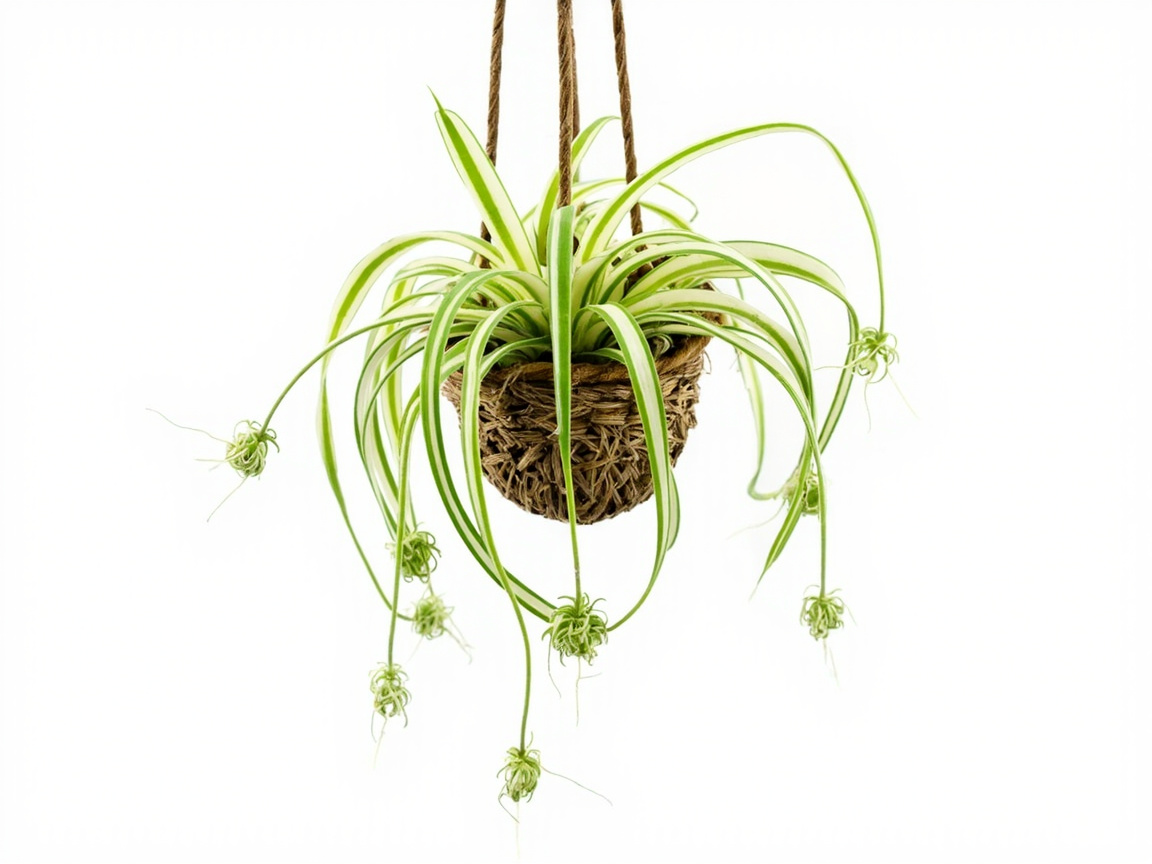
3. Spider Plant (Chlorophytum)
Particularly effective at removing formaldehyde and xylene. Spider plants are safe for pets (non-toxic to cats and dogs) and produce adorable baby "spiders" you can propagate. Spider Plant care guide
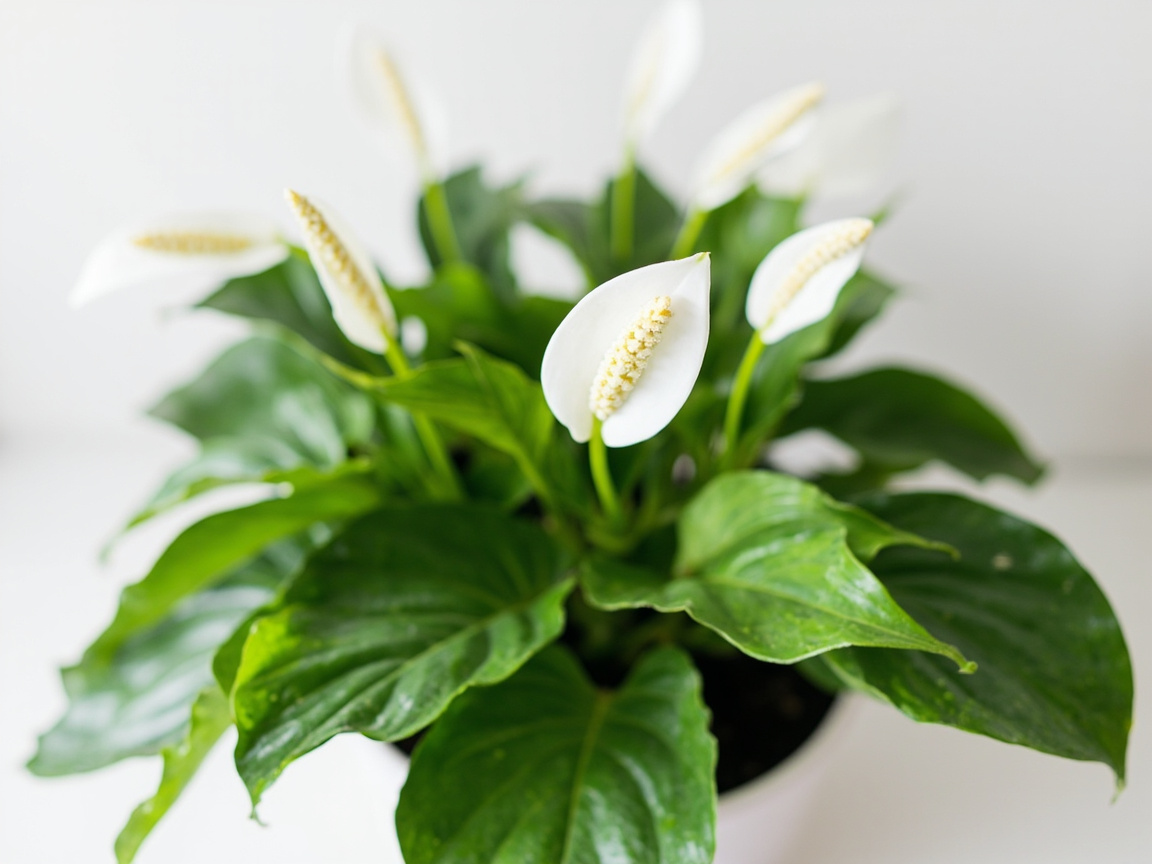
4. Peace Lily (Spathiphyllum)
One of the most effective plants for removing ammonia, benzene, formaldehyde, and trichloroethylene. Peace Lilies also bloom beautifully with white flowers and thrive in low-light conditions. Peace Lily care guide
5. Dracaena
Different Dracaena varieties remove xylene, trichloroethylene, and formaldehyde from the air. They're also striking houseplants with long, colorful leaves that add visual interest to any room.
6. Bamboo Palm (Chamaedorea)
NASA recommends this palm for removing formaldehyde — particularly from furniture and carpets. It grows well in indirect light and adds a tropical feel to living spaces.
7. Boston Fern (Nephrolepis)
Particularly effective at removing formaldehyde and works as a natural humidifier — when it releases moisture into the air, it's also helping filter out toxins. Boston Fern care guide